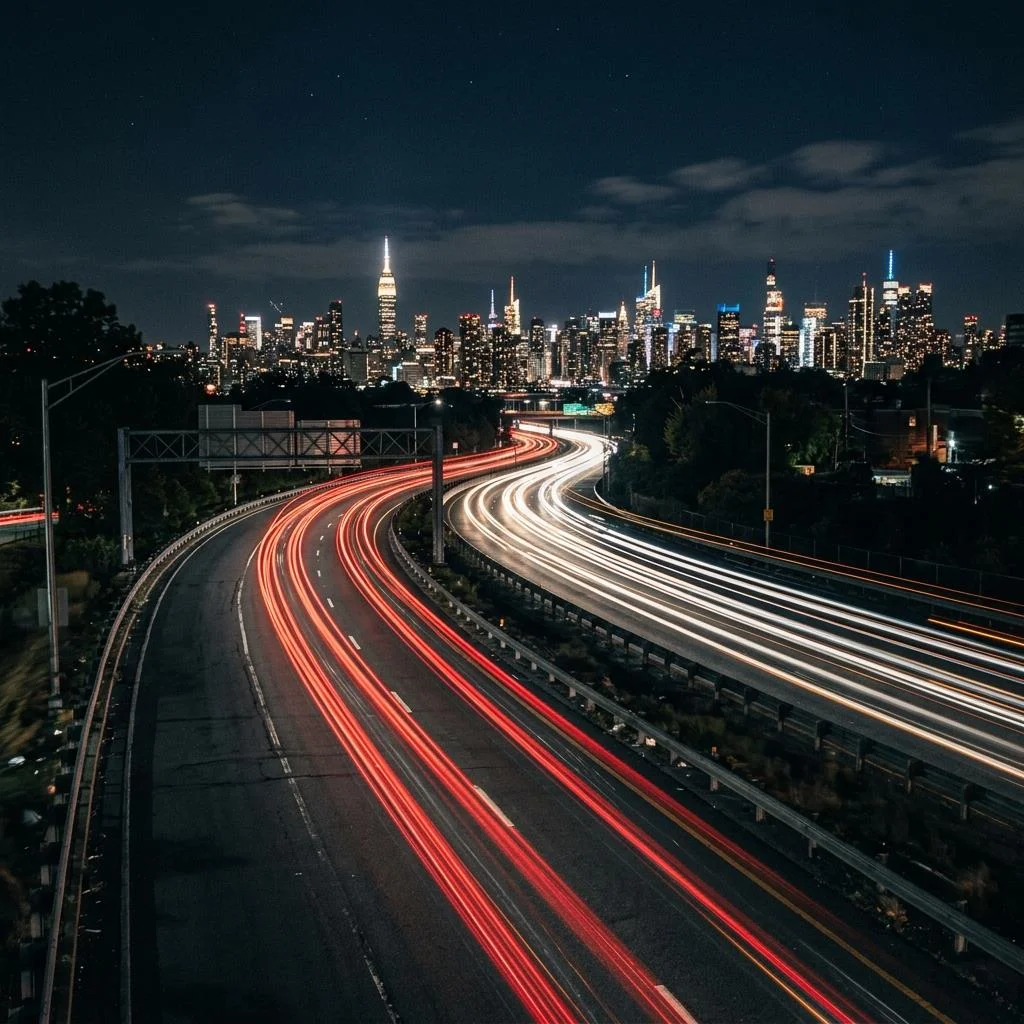
If you're planning a trip and wondering what there is to do in Washington, DC, the short answer is: a lot, and much of it costs nothing. The monuments, the Capitol and most of the major museums sit around the National Mall, so you can see plenty on foot. Beyond the Mall, Arlington National Cemetery, Georgetown and The Wharf add history, neighborhood character and good places to spend an evening.
This guide covers the top things to do in Washington, DC and the best places to visit: the must-see sights, the museums worth your time, fun things to do in DC for adults, and simple one-, two- and three-day plans. Ticket rules and closures change often in the capital, so we point out what to book ahead and what to double-check before you go.
The Short List: Top Things to Do in DC
If you only read one section, make it this one. These are the must-see attractions in DC and the best places to visit in Washington, DC for most first-timers.
| Place | Cost | Book Ahead? | Roughly How Long |
|---|---|---|---|
| Lincoln Memorial | Free | No | 30–45 minutes |
| Washington Monument | Free ($1 online fee per ticket) | Yes, timed ticket | About an hour |
| World War II, Vietnam and Korean War memorials | Free | No | 1–1.5 hours together |
| MLK Memorial and the Tidal Basin | Free | No | About an hour |
| National Air and Space Museum | Free | Yes, timed pass | 2–3 hours |
| Natural History or American History museum | Free | Check the museum's site | 2–3 hours each |
| U.S. Capitol tour | Free | Recommended | Tour plus security time |
| National Archives Museum | Free | No, for general entry | 1–1.5 hours |
| Arlington National Cemetery | Free | No | 2–3 hours |
| Georgetown and The Wharf | Free to walk around | Only for dinner | An evening |
Visit lengths are rough planning estimates, not official figures.
Must-See Monuments and Memorials in Washington, DC
The best things to see in Washington, DC start on the National Mall, which stretches about two miles from the Capitol to the Lincoln Memorial. The most famous places to see in DC line it, and the big memorials are free, don't need tickets and are open around the clock, which makes them ideal for an evening visit when crowds thin out and the lighting is at its best.
Lincoln Memorial
Dedicated in 1922, the Lincoln Memorial holds the seated statue of Abraham Lincoln, with the Gettysburg Address and his second inaugural address carved into the walls. The steps are also where Martin Luther King Jr. delivered his "I Have a Dream" speech in 1963. Look east from the top for the classic view toward the Washington Monument. The Reflecting Pool itself is fenced off during restoration work, so see the note above before you plan your photos.
Washington Monument
At 555 feet, the Washington Monument is the tallest structure in the city. An elevator takes visitors to the 500-foot observation level, where views can stretch about 30 miles on a clear day. Admission is free, but every visitor age 2 and older needs a timed ticket.
You have two ways to get one. Reserve online at recreation.gov, where tickets are released daily at 10:00 a.m. Eastern for dates up to 30 days out (there is a $1 non-refundable fee per ticket), or try for a free same-day ticket at the Washington Monument Lodge, which opens at 8:45 a.m. Tickets often sell out quickly in spring, summer and fall, so create your account before release time. The National Park Service explains the current process on its Washington Monument fees and passes page.
World War II, Vietnam Veterans and Korean War Veterans Memorials
These three sit close together and reward a slow walk. The World War II Memorial's Freedom Wall carries more than 4,000 gold stars. The Vietnam Veterans Memorial is a long black granite wall inscribed with the names of more than 58,000 service members, and it is at its most moving in the quiet hours. The Korean War Veterans Memorial features 19 stainless-steel statues of soldiers on patrol.
Martin Luther King Jr. Memorial, the Tidal Basin and the Jefferson Memorial
The MLK Memorial and the domed Jefferson Memorial face each other across the Tidal Basin, with the FDR Memorial a short walk away. This is also the center of cherry blossom season, which typically peaks between late March and early April, though the exact dates shift every year. The Tidal Basin is free to visit and needs no tickets.
Best Things to Do in Washington, DC: Museums and Attractions
Most Smithsonian museums in DC are free, as are the National Gallery of Art and the National Archives. A few free museums require timed passes, and some (such as the International Spy Museum) charge admission, so it pays to check each one's website a few days ahead.
National Air and Space Museum
One of the most visited museums on the Mall, and one of the few that requires free timed-entry passes: every visitor, regardless of age, needs one. The museum has been working through a major gallery renovation, so check which galleries are open on the museum's visitor FAQ before you book. The separate Udvar-Hazy Center near Dulles Airport is also free and does not require timed passes, though parking carries a fee.
National Museum of Natural History
Home to the Hope Diamond, dinosaur skeletons and large exhibits on oceans and the natural world. It suits almost every age group, which makes it a safe pick for mixed groups.
National Museum of American History
Two of its best-known objects are the Star-Spangled Banner and Dorothy's ruby slippers from The Wizard of Oz, alongside exhibits on technology, culture and everyday life across American history.
National Museum of African American History and Culture
A powerful, in-depth museum that is popular enough that timed passes are highly recommended, with a limited number of same-day passes released online. See Destination DC's list of attractions that require tickets for an overview.
National Gallery of Art
Always free and independent of the Smithsonian, the National Gallery is a good choice for a rainy day or a slower afternoon between big sights.
National Archives Museum
The Declaration of Independence, the Constitution and the Bill of Rights are all on display here. General entry is free.
Capitol Hill and the White House Area
U.S. Capitol Tour
Tours of the Capitol are free and led by guides, and they take in the Crypt, the Rotunda and National Statuary Hall. The tour does not include the House and Senate galleries, which need separate passes. Reservations are recommended and can be made through the Capitol Visitor Center or your senator's or representative's office. The Visitor Center is open Monday through Saturday from 8:30 a.m. to 4:30 p.m., and the last tour of the day begins at 3:20 p.m. Leave extra time for security screening.
Capitol Hill has more to offer around the Capitol itself, including the Library of Congress and the Supreme Court. Check their visitor pages for hours before you go.
The White House and The People's House
Interior tours of the White House are requested through your Member of Congress (international visitors typically start with their embassy in Washington), and as noted above, availability is currently limited. You can still see the exterior from the area around Lafayette Square and the Ellipse, subject to any security closures.
A good alternative is The People's House: A White House Experience, a museum run by the White House Historical Association at 1700 Pennsylvania Avenue NW. It is open daily from 9 a.m. to 5 p.m., general admission is free with a suggested $15 donation, and reserving timed passes ahead is recommended. Its passes do not give access to the White House itself.
Other Places to Visit in Washington, DC Beyond the Mall
These places in Washington, DC sit off the Mall but are worth the trip, especially if you have more than a day.
Arlington National Cemetery
Just across the Potomac in Virginia, Arlington is free to enter and worth a half-day. Highlights include the Tomb of the Unknown Soldier, the John F. Kennedy gravesite and Arlington House. The Changing of the Guard takes place every hour on the hour from October through March and every half hour from April through September. Cemetery hours are 8 a.m. to 5 p.m. from October through March and 8 a.m. to 7 p.m. from April through September; confirm on the cemetery's official website.
Plan for hills: it's roughly a 15–20 minute uphill walk from the Welcome Center to the Tomb. Arlington is an active cemetery with funerals held on weekdays, so dress and behave respectfully. The Arlington Cemetery stop on Metro's Blue Line puts you close to the Welcome Center.
Georgetown
One of the city's oldest neighborhoods, Georgetown is known for historic streets, shopping, restaurants and its waterfront along the Potomac, where you can rent a kayak in warm weather. The C&O Canal towpath also begins here. Georgetown has no Metro station, so most visitors arrive by bus, rideshare or private car.
The Wharf
This waterfront district in Southwest DC is built around restaurants, piers, live music and events. Its events calendar regularly lists festivals, outdoor movies, boat parades and fireworks, so check what's on during your dates.
Smithsonian's National Zoo
Free to enter, and a good option if you're traveling with kids. Check the zoo's website to see whether entry passes are required for your date.
Old Town Alexandria and Mount Vernon
Across the river in Virginia, Old Town Alexandria has a walkable historic waterfront. About 15 miles south of downtown DC, Mount Vernon is George Washington's estate and a natural half-day trip.
Fun Things to Do in DC for Adults
DC after dark is livelier than many visitors expect. Here are some of the best things to do in DC in the evening:
- See the monuments at night. The memorials stay open around the clock and are lit after dark, and the crowds are lighter than in the middle of the day. A private evening drive is a popular way to cover several stops without a lot of walking.
- Go out on U Street. The corridor carries on its "Black Broadway" legacy with live music, and it has plenty of cocktail bars and late-night spots.
- Bar-hop in Adams Morgan. The 18th Street strip packs dive bars, lounges and rooftop spots into a few walkable blocks.
- Try Georgetown or Dupont Circle. Both are known for wine bars, upscale restaurants and speakeasy-style cocktail spots.
- Spend an evening at The Wharf. Dinner, waterfront views and often live music on the piers.
- Visit the International Spy Museum. It's privately run and requires a paid ticket, but it's a favorite for adults who like espionage history.
- Take a wine country day trip. Virginia wine country is roughly an hour's drive from the city, which makes it an easy half-day escape.
- Catch an embassy event in May. During Passport DC, the Around the World Embassy Tour and the EU Open House are usually held on the first two Saturdays of the month, and most events are free.
- Check live performance listings. With the Kennedy Center closed, look at what's on at The Wharf and at downtown theaters such as the National Theatre.
Where to Go in DC: Sample 1, 2 and 3-Day Plans
The Mall is longer than it looks on a map, so it helps to group sights by area rather than crisscross the city.
What to See in Washington, DC in One Day: The Must-Do List
- Start at the Lincoln Memorial early, then walk past the Korean War Veterans and Vietnam Veterans memorials.
- Continue to the World War II Memorial and the Washington Monument (with a timed ticket if you have one).
- Have lunch, then choose one museum: Air and Space, Natural History, or American History.
- Come back after dark, or take a private evening tour, to see the memorials lit up.
Two Days: What to Do in Washington, DC
- Day 1: The Mall and memorials, as above, plus the MLK Memorial and Tidal Basin.
- Day 2: A morning Capitol tour (the last tour starts at 3:20 p.m.), then two museums or the National Archives and the National Gallery of Art. Finish with dinner at The Wharf.
Three Days
- Day 1: The Mall and iconic memorials.
- Day 2: The U.S. Capitol, Smithsonian museums, and an evening at The Wharf.
- Day 3: Arlington National Cemetery in the morning, Georgetown in the afternoon, and dinner on U Street or in Adams Morgan.
Best Time to Visit Washington, DC
Spring is the most popular season because of the cherry blossoms, one of the top things to see in DC, which also means the biggest crowds. Fall is mild and comfortable for walking. Summer is hot and humid but full of outdoor events, and winter brings smaller crowds. May adds Passport DC and its embassy open houses. Whatever the season, plan outdoor sightseeing for mornings and evenings when it's hot.
Getting Around DC, and When a Private Car Helps
Metro serves most of the major sights, and the Mall is walkable, but distances add up quickly, and parking near the Mall is limited. A chauffeured car can make a real difference in a few situations: arriving at Reagan National (DCA) or Dulles (IAD) with luggage, moving a family or group between neighborhoods, getting to Georgetown (which has no Metro station), or seeing the monuments at night without walking miles.
Explore DC with Royal Elite Limo & Black Car Service
We provide black car service across Washington, DC, Northern Virginia and Maryland, including airport transfers, private city tours, and transportation for groups and special events. You can choose from executive sedans, Cadillac Escalade and Chevrolet Suburban SUVs, Mercedes Sprinter vans, and stretch limousines — see our fleet or our DC car and limo service options. Tell us where you'd like to go and ask about a custom private city tour.
Frequently Asked Questions
Hours, fees, tickets and closures were checked on September 19, 2026 and can change without notice. Please confirm details with the official websites linked above before you travel.